We did not plan enough time for this. Not even close.
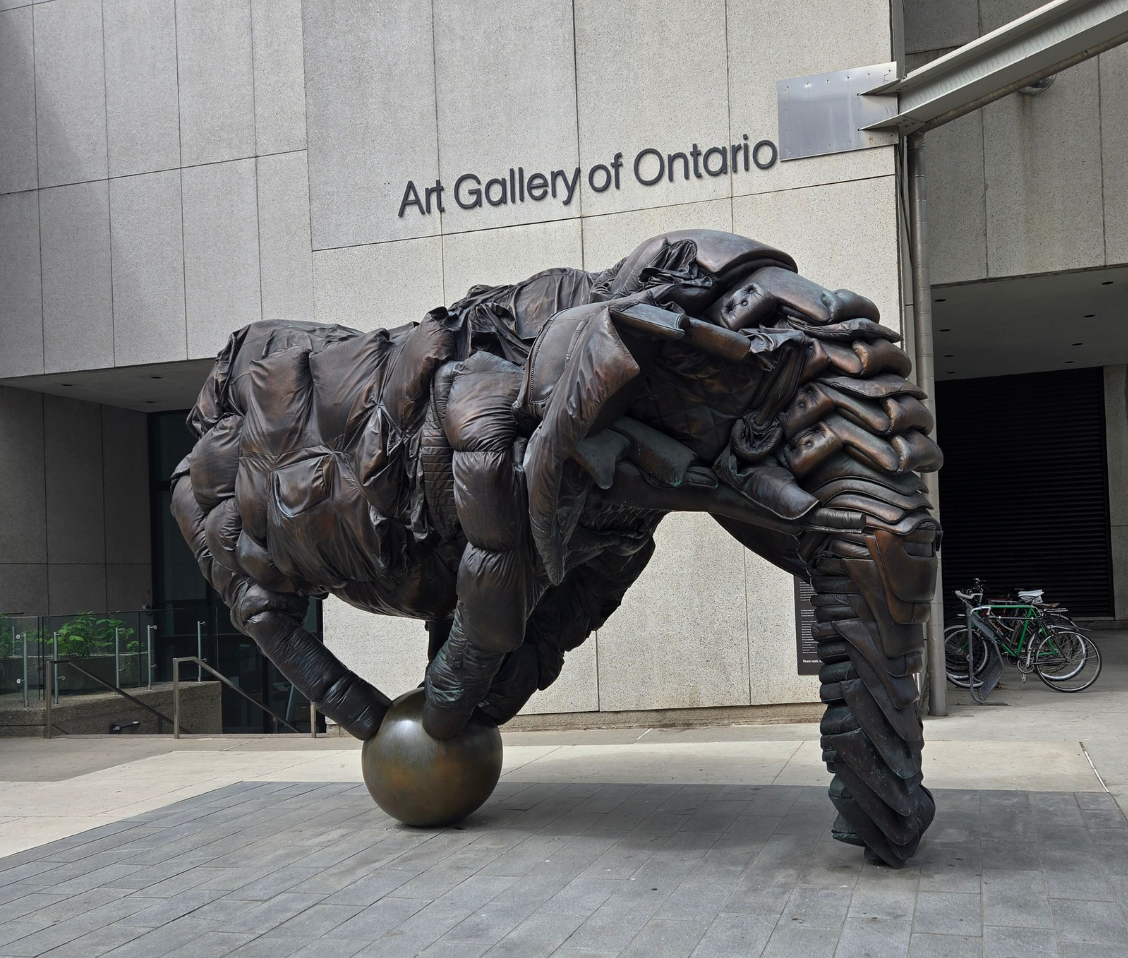
What was supposed to be a quick stop at the Art Gallery of Ontario turned into almost two full hours of wandering through hallways, galleries and exhibits, and we still could have easily spent another four there. Every time Matt and I thought "alright, one more room and then we should probably get moving," another hallway opened up into something unbelievable and pulled us deeper into the building. By the end of it, we weren't even walking normally anymore. We slowed down more and more with every exhibit, taking the whole thing in piece by piece.
Why It Hit Differently
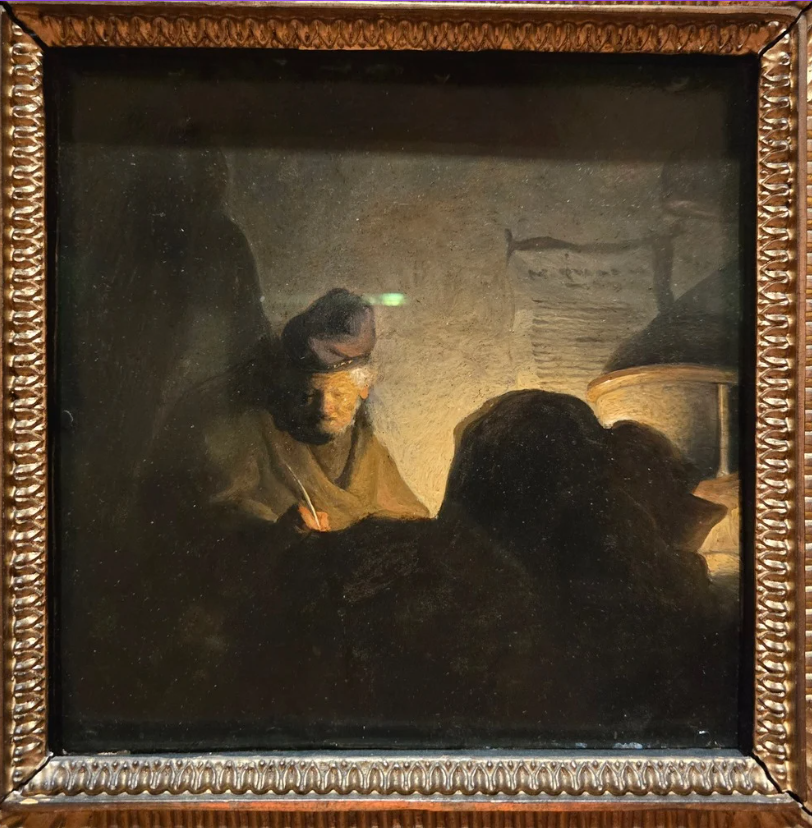
Focusing on connoisseurship throughout these travels, it hit me pretty quickly that it doesn't get much more foundational than standing in front of actual Rembrandt paintings and centuries of human craftsmanship collected under one roof. Art itself sits at the roots of connoisseurship. Before whiskey, wine, cigars, watches, food or cannabis, there was art.
Before whiskey, wine, cigars, watches, food or cannabis, there was art. People obsessing over detail, technique, beauty and expression.
People dedicating their lives to mastering something difficult simply because mastery mattered. Walking through the AGO felt like stepping directly into that lineage.
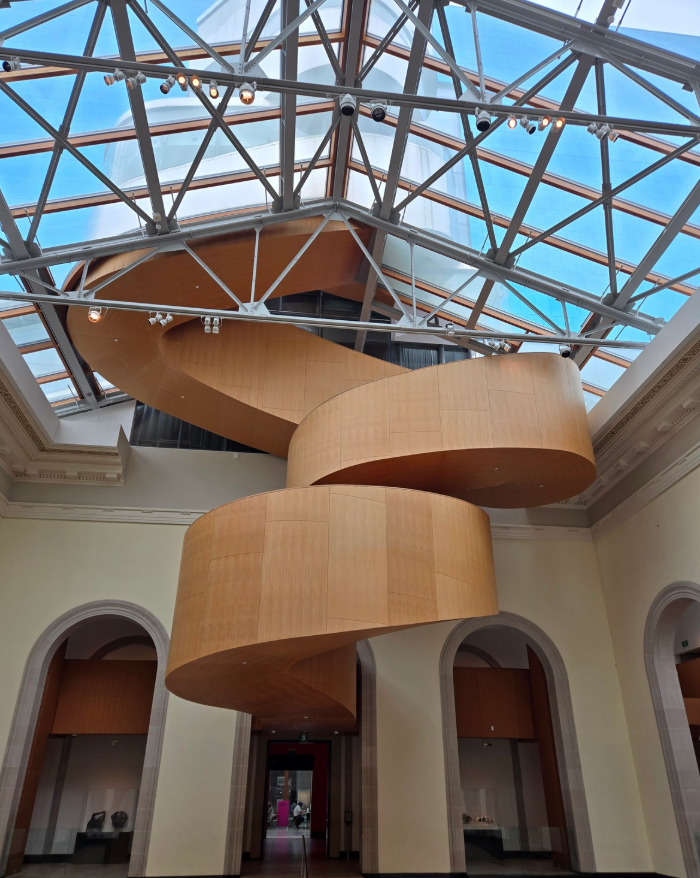
The building itself immediately set the tone. Frank Gehry's redesign gives the gallery this flowing feeling where wood, glass and light all fold together around you. Nothing about it felt sterile or overly modern despite the scale of the place. Instead, it almost felt alive. Sunlight filtered through massive glass sections while curved wooden walkways and staircases guided you from one era of human creativity into another.
The Old Masters
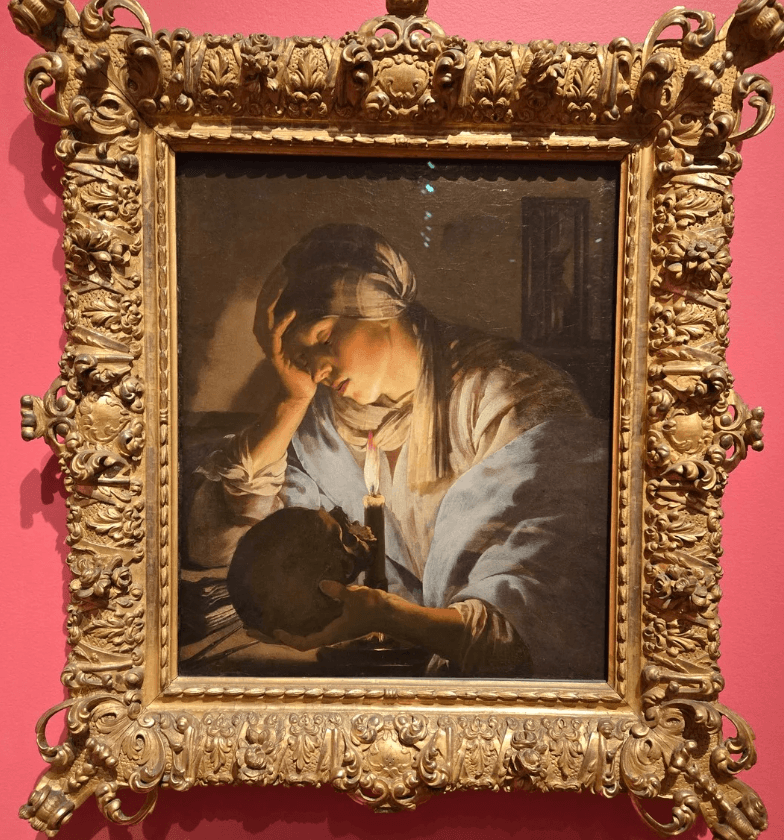
One moment we were standing inches away from classical European paintings, trying to process the fact that the brush strokes in front of us were laid down hundreds of years ago. Rembrandt, Monet, Rubens, Van Gogh. Pieces you spend your whole life seeing reproduced in books, online or in documentaries suddenly hanging right in front of you like it's completely normal.
There's something weirdly powerful about seeing old paintings in person for the first time. You realize how much texture and movement gets lost in photographs. You can actually see the paint itself — the layers and imperfections, tiny choices made by a human hand centuries ago surviving into modern life. Standing there staring at brush strokes from another society entirely felt strangely intimate.
The Contrast
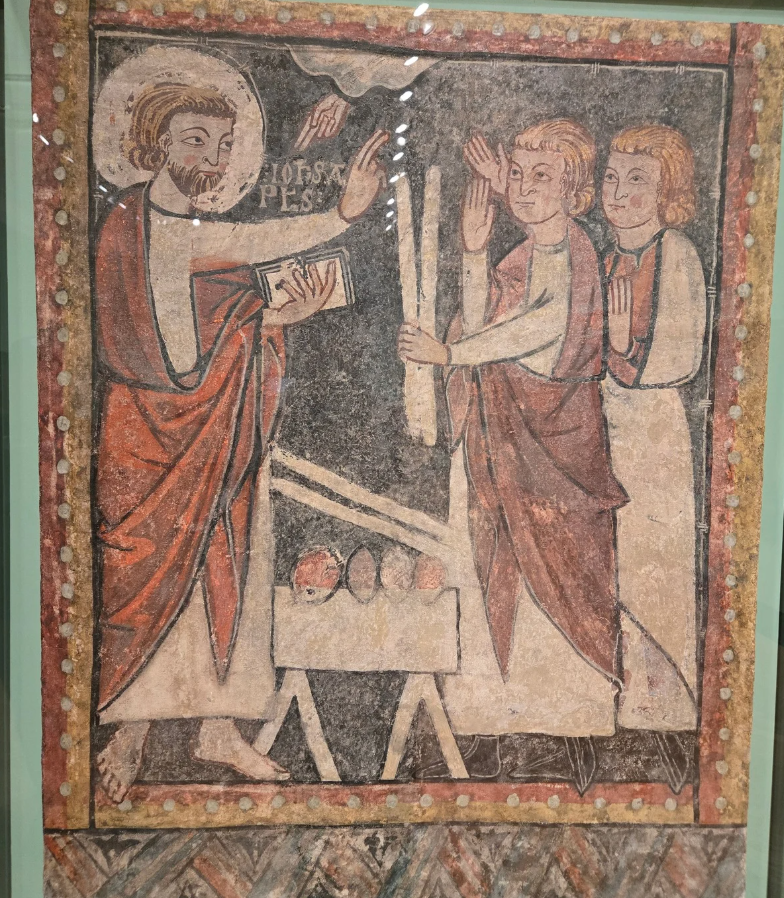
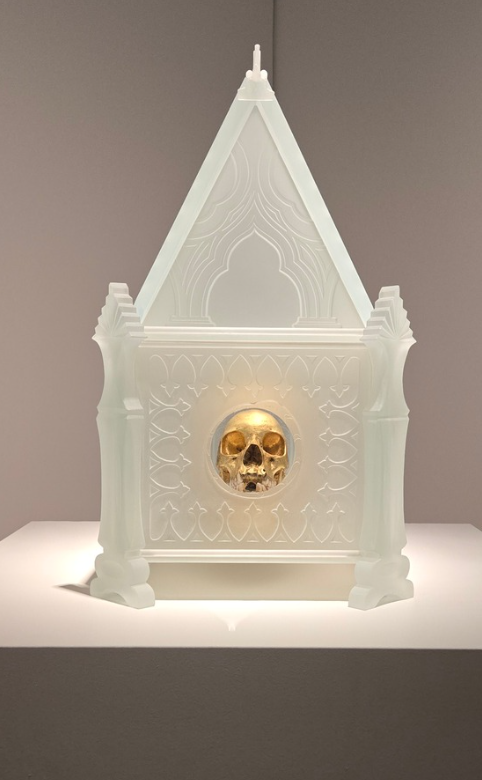
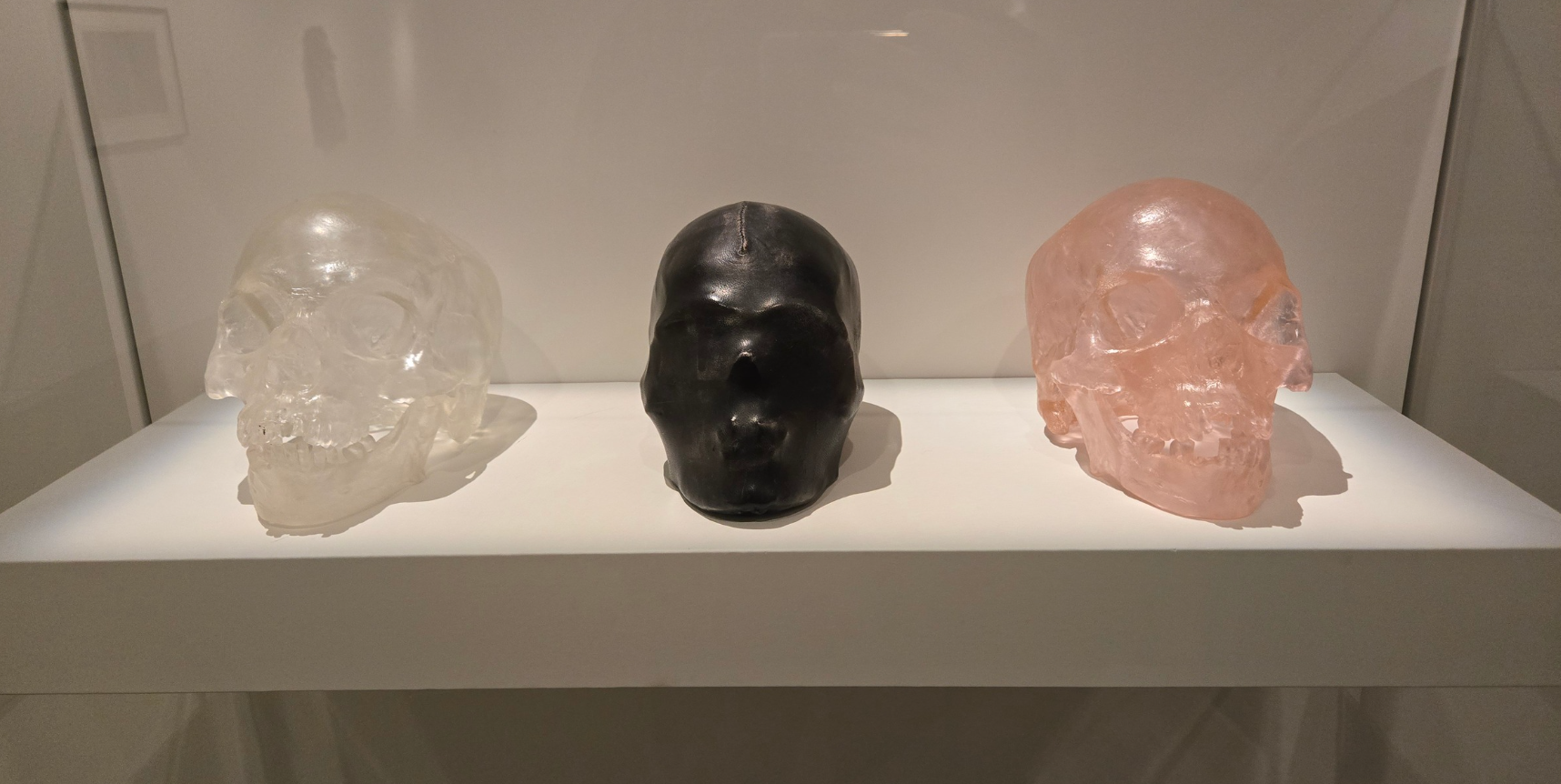
What really grabbed me was the contrast throughout the building. In one gallery, we found wild contemporary crystal works — skull sculptures and reflective modern pieces that looked almost alien under the lighting, with sharp edges and light refracting everywhere. People circling around them quietly, trying to understand what they were looking at. Then ten minutes later we'd wander into another room filled with medieval wood carvings so intricate they looked impossible. Tiny cathedral-like structures carved entirely by hand with miniature people, arches and scenes layered into the wood with unbelievable detail.
These weren't recent works made with laser tools or modern precision equipment. These were carved five or six hundred years ago by hand. Every tiny figure, every beam, every microscopic detail done by somebody sitting in candlelight with simple tools and an insane level of patience. Looking at those carvings stopped me in my tracks for a while. That's where the AGO really got us. The museum constantly shifts your perspective on what craftsmanship even means.
Canadian Collections
The same thing happened moving through the Canadian collections. Seeing works from the Group of Seven while literally traveling through Ontario added another layer entirely. We had already spent time driving through Muskoka, Georgian Bay and forests that still visually resemble those paintings today. Suddenly these weren't just landscapes hanging on walls — they became connected to the actual roads and lakes we'd been driving through all week.
The AGO does a great job balancing older collections with Indigenous and contemporary works. One room would leave you reflecting on colonial history and land while another would shift into abstract sculpture or experimental installations. It never felt repetitive. If anything, the constant contrast kept pulling us forward.
The Ships
Eventually reality kicked back in. We still had another destination planned and daylight was slipping away outside. Matt and I finally pulled ourselves away from the upstairs galleries and started heading toward the exit. Then we accidentally found the ship collection, which completely ruined any chance of leaving quickly.
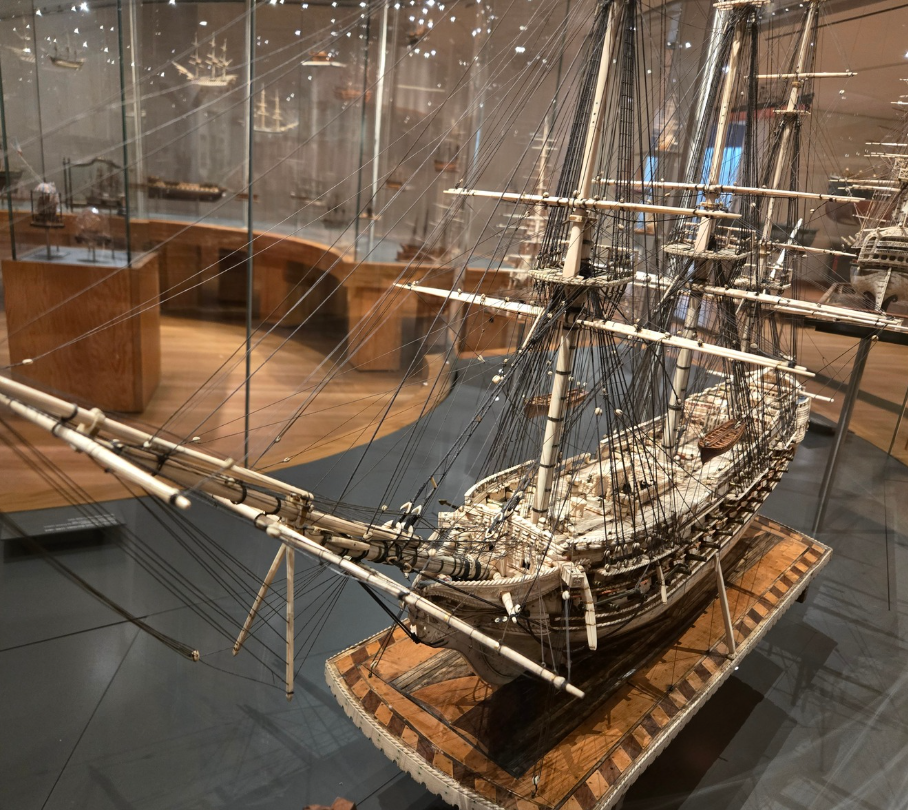
I have never seen anything like it. These weren't little hobby-store ship models sitting in glass cases. Some of these things were literally bigger than desks, with unbelievably detailed rigging, sails, deck layouts and tiny handcrafted components everywhere you looked. Every rope, cannon and wooden plank built meticulously to scale and historically accurate.
It felt less like model making and more like engineering art.
We stood there way longer than we should have, staring at them and trying to process the level of craftsmanship involved. The amount of patience alone required to create those models is hard to comprehend. You could almost imagine the real ships moving through storms and oceans while standing there looking at them.
What It Means
That final exhibit perfectly summed up the whole experience. The AGO constantly reminds you that humans have always been obsessive creators. Whether it's a Renaissance painting, a medieval carving, a crystal skull sculpture or a perfectly rigged scale ship, the throughline is craftsmanship and expression. Connoisseurship in its purest form.
By the time Matt and I finally stepped back outside into Toronto, the city almost felt louder than before. Our brains were full in the best possible way. We came expecting to casually browse a museum for an hour and ended up getting completely absorbed into centuries of human creativity.
I hope the AGO is just the first art museum featured on the Connoisseurship Roadshow, because this experience completely reframed how naturally art belongs alongside everything else we've been chasing on these travels. Great whiskey, food, architecture, music, cannabis and craftsmanship all come from the same human impulse — the desire to create something meaningful and lasting. The AGO just happens to house thousands of examples of that under one roof.
Art Gallery of Ontario ago.ca · Map 317 Dundas St W, Toronto, ON M5T 1G4